
The 80s were a wild period in New York City, like an echo of the jazz age: the stock market roared, no forever wars.
After the bicentennial (Elvis was still alive!), which some thought might be a dud (it wasn’t), we pulled out of our post-Vietnam malaise. Reagan took office in January 1981. The 60s had loosened things up and most of us didn’t become cokeheads. Even those of us who didn’t make scads of money on Wall Street dipped into the expense account. We stayed late at work, ordered dinner, went to a bar, took a limos home and put it on the company till. Life was good before the crash of ‘87.
The Soviet Union? I don’t remember thinking much about it, except that it was a sclerotic fossil, almost a joke.
That sure wasn’t the case in the 1970s—no way, the rivalry with the Soviet Union was serious business, and dominated the American consciousness. They worried us, those Russians.
The military competition I leave to someone else to analyze. What I recall from the 70s was a period of intense cultural cold war competition. It’s impossible to express to anyone who didn’t live through it how crazy it was and how it seeped into the consciousness of everyday Americans. Regular guys who didn’t know a rook from a rake cared very much about a chess match in a town whose name they could hardly pronounce.
There was even a Stateside ballet boom, entirely due to the defection of Soviet artists to the West. It began with Nureyev in 1961 and grew to encompass many others.
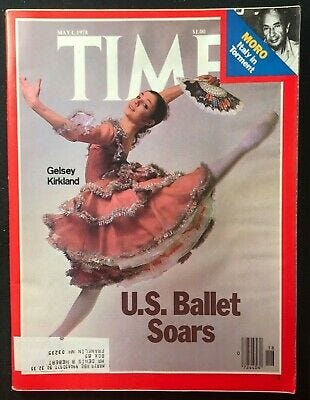
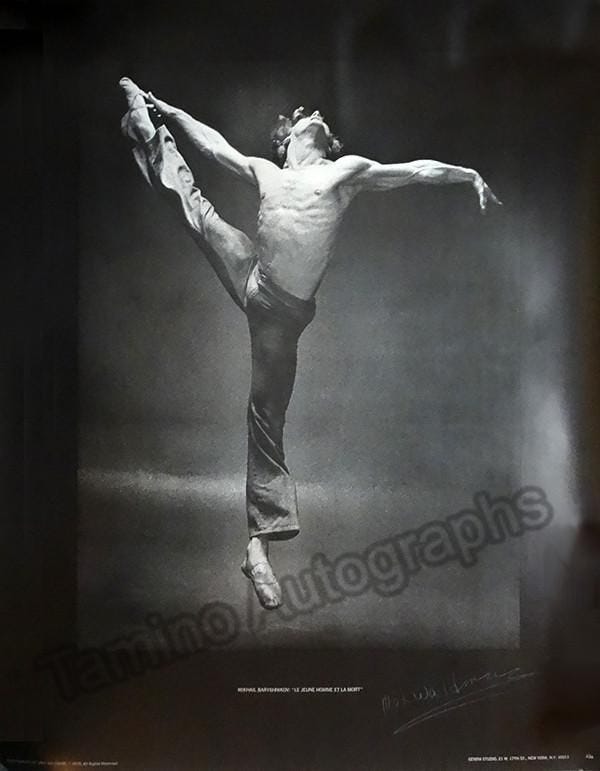
True, ballet never really broke out of its “girls and gays” ghetto, but Baryshnikov became a synonym for “amazingly athletic.” I was watching a Mets game when their then-shortstop made an especially nifty play, preventing a bullet from spurting into the outfield, saving a couple of runs. The announcer said, “Baryshnikov!” A Russian ballet dancer with a hard to pronounce name was that famous. This poster decorated many a dorm room wall:
By the mid-80s, that cultural Cold War was over. America (rock music, Elvis, jazz, Marilyn Monroe) won. Hollywood milked the cold war for another decade with Ivan Drago-type baddies, but the grass roots fear/thrill of war was gone.
Even the military rivalry began to tip in America’s favor. There were massive demonstrations against placing ICBMs in Europe, Reagan shrugged it off. The missiles were placed. The demonstrations petered out.
Soviet concerns are heightened as the North Atlantic Treaty Organization (NATO) begins to deploy upgraded Pershing missiles in Western Europe, capable of striking targets in Russia. The Pershing II rollout triggers massive antinuclear protests in European NATO states.
I broke decisively from leftism around that time. I lost friends because I didn’t attend the demonstrations. I thought (a) the demonstrations were hopeless and (b) the missiles were the right thing to do. I would be more sympathetic to the demonstrations now, in my current mood. But that’s how I felt then. The Evil Empire was evil, and we had to do anything and everything to counter it.
Then this new guy Gorbachev took over in 1985, and a series of intense negotiations between Reagan and Gorbachev followed. This was different from all the previous superpower negotiations. Those were between utterly hostile enemies. This was more like Rocky and Apollo Creed—honorable adversaries—not Rocky and Ivan Drago, a fight to the death.
I visited Russia from September 5 to September 13, 1991. Bear in mind that the abortive coup took place from August 19 to August 22, 1991, and the USSR formally dissolved on December 26, 1991, so I was visiting the country in a unique period of its history.
I distinctly remember the feeling in the country: EUPHORIA. Perhaps it’s impossible to say that an entire country is happy, but I can say that in the two cities I visited, Leningrad and Moscow, I smelled freedom and optimism, a giddiness, a lightness.
To be sure, I also saw bad things: beggars, public drunkenness, grime, rampant decay, and shoddiness1. I’ll talk about that another time. For now, suffice it to say that in early September 1991, the euphoria in Russia was palpable to a rather ignorant American tourist.
One anecdote: we were taken to a second-rate circus in Moscow, which was damn good.2 One of the acts was a Cossack horse routine, a staple of Russian show biz. The historic Cossacks were Orthodox Christian cavalrymen—not something the Bolsheviks promoted—but they were OK to use as theatrical props in a performing art that Russians do better than anyone else.
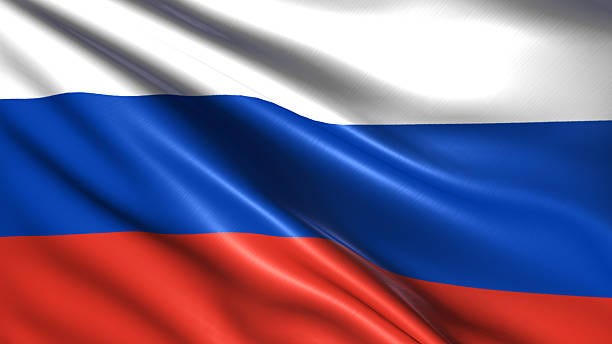
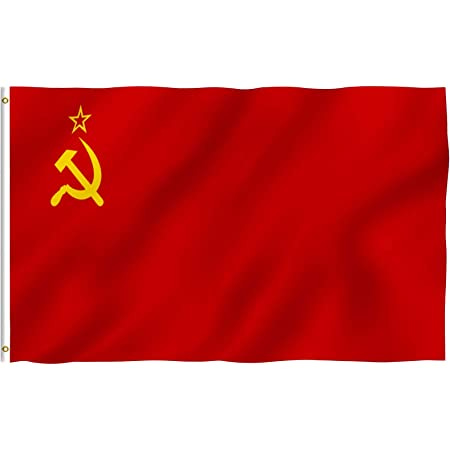
Suddenly, in the middle of the act, the lead horseman unfurled a giant Russian—not Soviet, Russian—flag.
This:
Not this:
The audience erupted in a primal roar, like a stadium after a winning touchdown in the Super Bowl. The horseman stood up in the saddle and the flag billowed behind him, encircling the other riders. I was fascinated by the great horsemanship and the way the flag was fluttering but I had to look at the audience and register their reaction.
I looked around. The audience was composed of average Russians: properly but shabbily dressed, somewhat the worse for lifelong wear. I saw something mystical happening. I’m not exaggerating. I struggle to put into words what I saw—but I did see it.
To someone like me born at the height of the Cold War, raised in an old left but heterodox background (my mother was a member of the party who resigned in 1939, my uncle Sam a personal friend of Max Schactman), the breakup of the Soviet Union was close to Utopia.
Army bases began to be dismantled. There was talk of a “peace dividend.”
These promises all turned to ash, but at the time, they seemed quite possible. And half of the team that made these dreams possible was Mikhail Gorbachev.
Russians, I gather, hate him. I can’t bear to read about this, because I get it. I understand why they hate him. From the perspective of the people in that circus audience, he was a sellout, and the stupid commercials he made were the least of it. They associate him with catastrophic breakdown and national humiliation.
I can’t disagree with them, but I’m not Russian, I’m American, and I feel a genuine sadness at his passing. His image, and that of Reagan, dominated my young adulthood. Two completely different men from two opposing societies met and struck agreements in good faith. I really do think both wanted to get rid of these accursed nuclear weapons.
Can’t we give them both a little credit for dreaming big? Good dreams: a world without weapons of mass destruction.
Now? All trust has broken down and without that, there can be no negotiation. Recently, “serious thinkers” have begun to talk about limited nuclear war. Damn and curse them for even suggesting such a thing. Yes, some ideas are 100% wrong. Nuclear war is one of them.
Big men do big things. Little men carp at them because they didn’t create heaven on earth.
God rest the soul of Mikhail Sergeyevich Gorbachev. I think he did more good than bad. I hope one day the Russian people can forgive the bad and acknowledge the good. But that is their call, not mine.
Postscript: this is a rational criticism of Gorbachev’s shortcomings as a negotiator and as a caretaker of his own people’s well-being.
Not on the Moscow subway!
Russian second-rate in ballet, music, and circuses is first rate anywhere else. We were also taken to a regional ballet company whose Giselle was one of the best I’ve ever seen. I wish I remember her name!