
Upshot: The Night Manager is a snooze. Enjoyable locations.
Stars: 2 out of 10. One for Hugh Laurie: game effort; one for Elizabeth Debicki: excellent actress.
John le Carré’s The Night Manager follows Jonathan Pine, a former British soldier working as a night manager in a Cairo hotel, who is drawn into a covert operation to infiltrate the empire of billionaire arms dealer Richard “Dicky” Roper. Haunted by the murder of his Arab girlfriend by a Roper lackey for which he feels responsible, Pine agrees to go undercover, fabricating a criminal identity to gain Roper’s trust. The operation, codenamed Limpet, is led by intelligence officer Leonard Burr, but faces sabotage from corrupt factions within MI6.
The 2016 adaptation updates the setting from South America to the post–Arab Spring Middle East and changes Leonard Burr to Angela Burr. Roper now traffics chemicals—napalm, sarin—to shady Middle Eastern clients. Angela Burr cites the 1988 Halabja gas attack as her motive for pursuing Roper, but from there, things get vague. The show offers no clarity about who the buyers are or what they plan to do with the weapons.
Updating the setting is an excellent idea, and the casting tweaks—changing Burr’s gender, making her American counterpart black—are fine. What isn’t fine is everything else, except some of the acting. This was a long, drawn-out train to nowhere.
The performances aren’t the issue. Cary Grant would have been perfect as Roper, but he’s long gone so no use bemoaning that. I could nitpick about the rest of the performances, but I won’t; the acting was generally good, although nowhere near as memorable as British actors in the past were.
I’m a big fan of Hugh Laurie, but he felt off at first. I thought: “Wrong guy—Roper’s a cold, ruthless man who has people killed and loves no one” and although he never quite embodied Roper’s reptilian quality, Laurie grew into the role. In some scenes with Tom Hiddleston as Pine, he was excellent—hinting at suppressed class rage, relentless, icy. Is that a le Carré thing? Maybe. The scenes between Roper and Pine were the only part of the series that had any bite, grit, and authenticity. Laurie would have been fine if the writing had supported him.
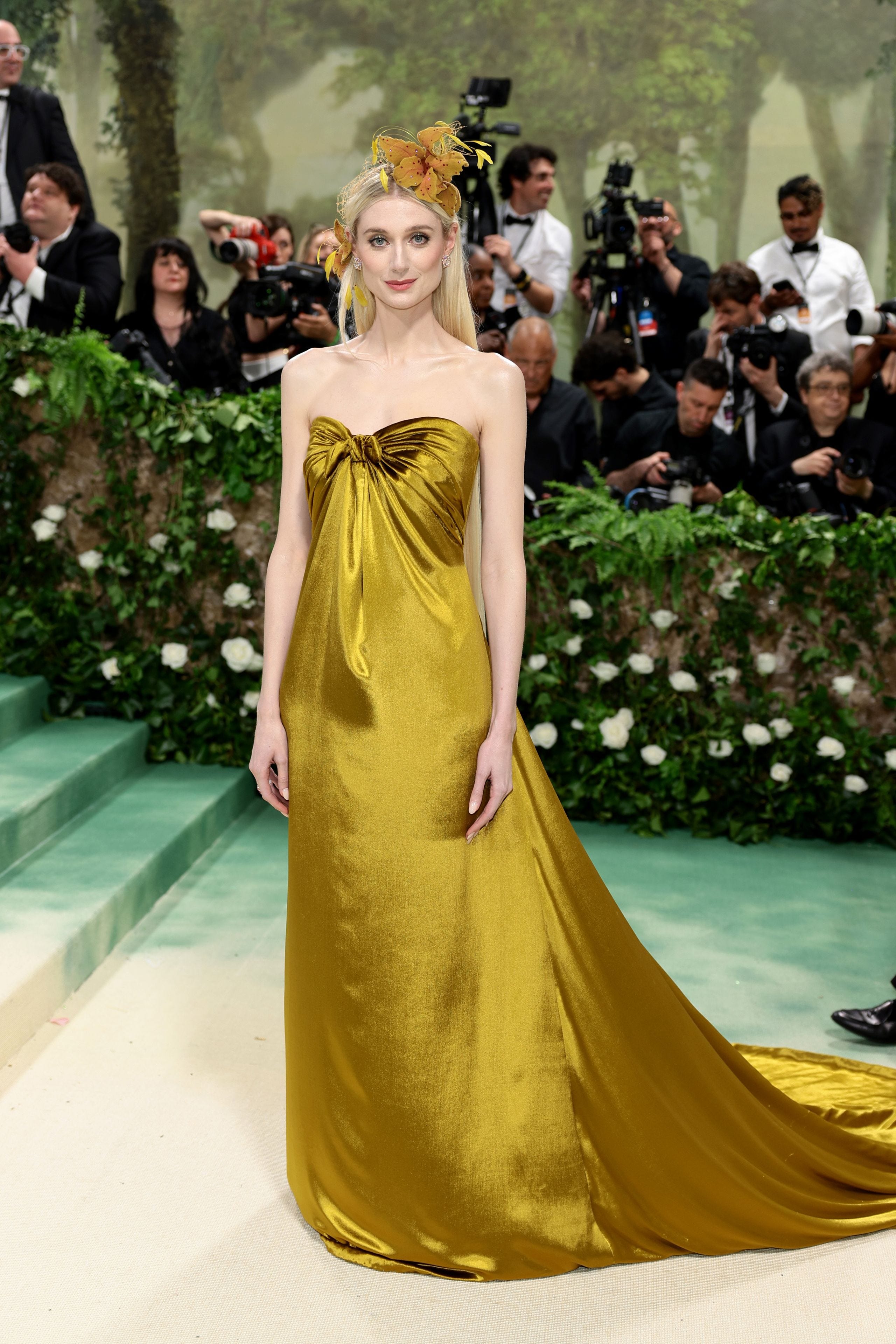
Hiddleston was a blank, but that was the character. Only Elizabeth Debicki really shone. She embodies the word “ethereal.” I’ll even forgive her for having appeared at the Met Gala.
The real problem with the series was the the distorted moral framing. We see the suppliers—sleazy Brits like Roper, and the Middle Eastern buyers—but what about the demand? The Halabja attack is mentioned, but not who carried it out: Saddam Hussein.
This is particularly vexing as the show is set in the post Arab Spring era, when an actual Arab dictator, Hafez Bashar al Assad, did use chemical weapons against his own people to put down a civil war that broke out as a result of that very “Arab Spring.”
He used them many times; this is irrefutable. The entire context—the Syrian civil war, the origins of the region’s chemical programs—is dropped, except for a few cheap set-up shots at the beginning of the series. Why? Could it be that the story raises uncomfortable questions?
Syria’s weapons program began in the 1970s, with help from Egypt and the Soviets. Egypt had already used chemical weapons in Yemen in the '60s. It still hasn’t dismantled its own stockpile.
None of this makes it in. Instead, we get one depraved Englishman selling chemicals to unnamed clients who plan to do… something, somewhere.
There are other small tells. Roper’s surgeon, the guy who cleans up his messes, is an offscreen Israeli doctor—a loaded choice, but left dangling. I won’t make too much of that, but I will make something of this. At the series climax, Angela Burr, the frumpy, “ordinary decent” Englishwoman, is handed a gun by the American. She balks at it with the words: “I’m English,” as if squeamishness about violence is a known national virtue1. When she finally fires, it’s only to wound.
The show had pretenses to moral clarity but booted the subject entirely. What it delivers is cowardice dressed up in prestige drama.

Not incidentally, the series is quite violent, featuring numerous stabbings and punch-ups. But no shootings. Just like England, come to think of it.